



Maintaining optimal oral health is not just about having a beautiful smile. It is a vital part of overall well-being that can influence many other areas of your life. By prioritizing preventive dental care and having access to dental insurance plans, individuals can reduce the risk of dental problems and avoid more serious health issues in the long run. As families and individuals continue seeking ways to safeguard their health, understanding and practicing preventive dental care becomes even more essential.
Oral health impacts more than just teeth and gums. It has a direct connection to systemic health concerns like diabetes, heart disease, and even certain cancers. Implementing consistent dental hygiene practices and regular dental visits empowers people to take control of their dental and overall health.
The Importance of Regular Dental Check-Ups
Routine dental check-ups are a cornerstone of preventive care. According to the 2026 State of America’s Oral Health and Wellness Report, a significant 90 percent of adults view preventive dental exams as important as their annual physical checkups. These appointments allow dental professionals to detect early signs of conditions such as cavities, gum disease, or oral cancer before they escalate into more complex health challenges.
Consistent dental visits also enable professional cleanings, which eliminate plaque and tartar that brushing and flossing might miss. These preventative efforts can reduce the risk of tooth decay and gum disease, problems that, if left untreated, may lead to tooth loss or other systemic conditions. For more information on the benefits of routine dental visits, the Centers for Disease Control and Prevention (CDC) provides comprehensive resources on oral health.
At-Home Oral Hygiene Practices
Daily at-home oral hygiene is the first line of defense against dental problems. This includes brushing twice a day with fluoride toothpaste and flossing to remove food particles from between teeth and along the gumline. Despite widespread awareness of these practices, recent data reveal a decline in adherence: the proportion of adults brushing twice daily fell from 79 percent to 74 percent in recent years.
This decline highlights a need for renewed emphasis on personal oral care habits. Simple routines, like using a soft-bristled toothbrush, avoiding excessive sugar, and rinsing with mouthwash, can make a significant difference in oral health over a lifetime. Educating both children and adults on these basics can help foster better habits from an early age.
The Role of Dental Insurance in Preventive Care
Access to dental insurance strongly influences whether individuals seek regular preventive care. According to the 2025 State of America’s Oral Health and Wellness Report, 67 percent of adults with dental insurance visited the dentist in 2024 for preventive services, compared to 28 percent of those without coverage. Insurance coverage helps offset costs, making regular visits and basic dental procedures more affordable.
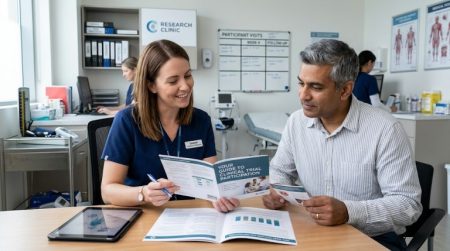
This financial support removes barriers that may otherwise prevent routine dental visits. Encouraging employers to offer dental benefits and educating the public about low-cost options can increase the number of people receiving preventive care. For people considering participation in dental research, understanding the clinical trial process—including eligibility requirements, informed consent, treatment procedures, follow-up visits, and potential costs—can also help them make an informed decision. Information on how dental insurance contributes to better oral health outcomes is available from reputable sources such as the Mayo Clinic.
Community Initiatives Enhancing Access to Care
For many in underserved communities, accessing dental care remains a challenge due to financial, geographical, or logistical barriers. Innovative solutions, such as mobile dental clinics, are addressing these gaps by delivering services directly to those in need. For example, a mobile clinic in Pittsburgh provided crucial preventive dental care to children insured by Medicaid and CHIP, improving access where traditional dental offices may not be available.
Community-based programs do more than provide cleanings and exams. They also raise awareness, educate residents on oral hygiene, and connect individuals with resources for continuous care, building healthier communities from the ground up.
Overcoming Barriers to Dental Care
Even with increased awareness, some obstacles remain. Dental anxiety and fear of pain are two of the most cited reasons adults avoid dental care, with over one in five skipping visits for these reasons. Financial concerns are also a significant factor, especially in areas with limited access to affordable dental services.
Addressing these anxieties requires creating a patient-friendly environment. Clinics can offer amenities such as sedation dentistry, comfort distractions like music or TV, and extensive patient education to alleviate fears. Supporting patients through compassionate care and affordable options can encourage more individuals to schedule regular check-ups.
The Connection Between Oral Health and Overall Health
The mouth is more than just the entry point for food and drink. It can serve as a window into overall health. Poor oral hygiene has been linked to several serious health conditions, such as cardiovascular disease, diabetes, and adverse pregnancy outcomes. Gum disease, in particular, is associated with systemic inflammation that can complicate existing medical issues.
Maintaining good oral hygiene can positively impact whole-body health, making it an essential part of any wellness routine. Staying proactive with preventive dental care not only protects your teeth but also supports your heart, metabolic system, and overall quality of life.
Conclusion
Pursuing preventive dental care through regular professional visits, strong at-home oral hygiene, leveraging dental insurance, and supporting community initiatives is essential for maintaining lifelong well-being. By recognizing and addressing barriers to care and reinforcing the link between oral and overall health, individuals can make empowered choices for a healthier future.