



Chicago-area weather can shift quickly from humid summer storms to dry stretches, sharp fall cool-downs, and long winter freezes. Those changes affect the food, water, and shelter that pests seek. Homeowners who notice a sudden trail of ants, a burst of mosquitoes, or signs of mice are often seeing a weather-related response, not necessarily a housekeeping failure. For local support with persistent concerns, Pointe Pest Control serves homeowners across the Chicago area.
Pests do not follow a perfect calendar. Temperature, rain, humidity, drought, and access to shelter all influence when they move and where they settle. By monitoring weather patterns alongside household activity, Chicago homeowners can take practical steps before a small issue becomes more difficult to manage.
Why Weather Changes Pest Behavior
Insects and rodents need the same basic resources as other animals: food, water, suitable temperatures, and protected places to rest or nest. Heavy rain can disturb outdoor nests and send pests searching for dry shelter. A hot, dry period can make moisture around sinks, drains, or leaking pipes more appealing. A sudden cold spell can make wall voids, garages, attics, and basements attractive hiding places.
That is why pest activity can seem to rise overnight. A clean home can still have entry gaps, damp areas, or nearby outdoor conditions that draw pests toward the structure. The important question is not simply, “Why are there bugs?” but “What changed around the home?”
How Pest Activity Shifts Through the Seasons
Early Spring
As the soil warms and daylight increases, ants, flies, and other insects become more noticeable. Spring is a good time to inspect window screens, foundation cracks, and damp areas near downspouts or basement walls. Termite swarms may also occur seasonally, so winged insects appearing indoors should be identified rather than assumed to be harmless ants.
Summer
Chicago summers can bring heat, humidity, thunderstorms, and busy outdoor meals. Ants, flies, mosquitoes, wasps, and yellow jackets may become more active around food, trash, flowering plants, and water. Keep outdoor garbage lids closed, clean up drink spills, and avoid leaving pet food outdoors.
Fall
As nights cool, mice, spiders, stink bugs, and other overwintering insects may move toward buildings. Garages, attic vents, utility openings, and gaps along siding are common access points. A mild fall can keep some outdoor insects active longer, while colder nights increase the appeal of indoor shelter.
Winter
Cold weather reduces many outdoor insect sightings, but it does not eliminate indoor pest problems. Rodents can remain active where food and warmth are available. Inspect stored foods, cardboard boxes, firewood, and less-used spaces such as crawl spaces or storage rooms.
The Role of Temperature
Warmer conditions generally increase movement among many insects, while short warm spells can briefly awaken pests that had been less visible. Cold weather can also change behavior by encouraging pests to seek protected spaces. In Chicago, pest pressure often varies from one block or property to another because shade, drainage, vegetation, and building conditions differ.
Rain, Humidity, and Standing Water
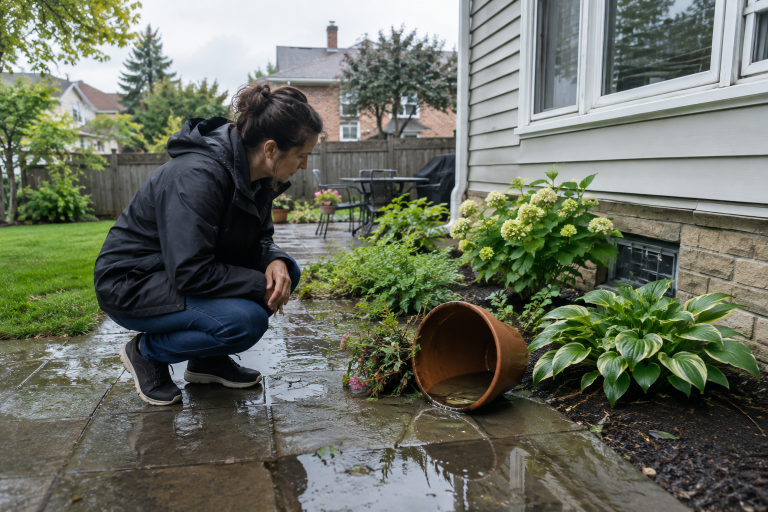
Rain is not always bad news, but it can create breeding and shelter opportunities. Mosquitoes lay eggs near water, so homeowners should regularly empty containers that collect water. The standing-water prevention guidance for homes includes items such as buckets, planters, toys, birdbaths, gutters, and pool covers.
Damp conditions can also support pests that prefer moisture, including cockroaches, silverfish, and some ants. Repair leaks, use bathroom and kitchen exhaust fans, and address poor drainage near the foundation. Check crawl spaces and basements for musty odors, water stains, or condensation.
Why Dry Weather Can Push Pests Indoors
Dry weather can reduce outdoor water sources, leading ants and other pests to look for water closer to homes. Pay attention to cracks around doors, windows, pipes, cable lines, and air-conditioning connections. Irrigation leaks deserve attention too, since they can create a small but dependable moisture source beside the house.
Where to Look for Pest Entry Points
A 15-to-20-minute exterior and interior check can reveal many easy prevention opportunities:
- Walk the foundation and note cracks, loose caulk, and damaged siding.
- Check door sweeps, weatherstripping, and garage door seals.
- Inspect window and vent screens for tears or gaps.
- Look around pipes, wiring, cable lines, and exterior vents.
- Check attic vents, roofline openings, and chimney areas.
- Look for droppings, gnawing, nesting material, or moisture stains.
University of Illinois Extension notes that sealing cracks around foundations, doors, windows, pipes, and wires helps exclude both insects and rodents.
Simple Steps to Reduce Pest Pressure
- Store pantry goods and pet food in sealed containers.
- Clean crumbs, grease, and spills promptly.
- Keep trash containers closed and rinse recyclable food containers.
- Trim plants and branches away from walls and rooflines.
- Move leaf piles, lumber, and clutter away from the foundation.
- Repair dripping faucets and plumbing leaks.
- Empty outdoor water-holding containers after rainfall.
- Keep firewood raised and away from the home.
Common Pests and Weather Patterns
Ants
Ants may appear during heat, drought, or wet weather because each condition can change access to food and moisture. Watch for trails near sinks, windows, pet bowls, and kitchen counters.
Mosquitoes
Warm weather and standing water support mosquito activity. Remove water from containers, maintain screens, and use appropriate personal protection when spending time outdoors.
Rodents
Mice and rats may seek shelter during cold weather, storms, or changing outdoor conditions. Droppings, gnaw marks, scratching sounds, and disturbed insulation all warrant a closer inspection.
Stinging Insects and Spiders
Wasps and yellow jackets remain active in warm conditions, and nests should not be disturbed near walls, roofs, trees, or underground areas. More spiders can also indicate that their insect prey is available nearby, especially around lights and windows.
When Home Prevention May Not Be Enough
Consider professional help when sightings continue after cleaning and sealing, when a nest is near a doorway or play area, when rodent signs appear in walls or ceilings, or when moisture damage is present. Accurate identification matters because different pests require different pest control methods. Avoid combining products or applying pesticides in ways that could harm people, pets, or wildlife.
Common Questions About Weather and Pests
Do warm winters always mean more pests?
Not always. A warmer winter may extend activity for some species, but moisture, food, shelter, and local conditions also matter.
Why do bugs enter after rain?
Heavy rain can flood nests, disrupt hiding places, and alter outdoor food and water sources, prompting pests to seek shelter.
Can a clean home still have pests?
Yes. Pests can enter through small gaps, arrive in packages, or follow moisture and warmth. Cleaning helps, but exclusion and moisture control matter too.
Final Takeaway
Weather changes pest behavior quickly in Chicago, Illinois. Seasonal inspections, dry and tidy storage areas, well-maintained screens, and sealed entry points can reduce many common household pest problems. Watch for patterns after storms, heat waves, droughts, and cold snaps, then respond early with safe, practical prevention.