



House hunting in autumn holds real promise for anyone dreaming of a pool by next summer. A wide, open garden can look like the ideal spot, yet looks alone don’t decide whether a pool will actually work there. Boundaries, local rules, buried pipes and cables, room for building crews and the space left over afterwards all shape what’s possible. A family touring a house on a crisp October afternoon can easily picture splashing children without spotting the gas line running under the lawn.
Checking those details before the sale goes through can spare buyers nasty bills and a fair bit of heartbreak. Starting in autumn also leaves months to study the plot and line up the work before spring. October’s homework can mean July’s first swim.
Look Beyond the Appearance of an Open Backyard
A roomy garden can fool the eye. Its true measurements and layout matter far more than first impressions. The plot’s shape, planting, trees, fencing, retaining walls and slopes all limit where a pool could go. A grand old oak that looks charming in the estate agent’s photos may have roots spreading right across the best spot.
Space has a habit of shrinking once those features are counted. A tape measure tells a far more honest story than a glossy listing or a quick stroll during a viewing. Ten minutes pacing out the lawn can save months of disappointment.
Life after the build matters, too. A pool that swallows every last patch of lawn leaves no room for garden chairs, vegetable beds, children’s games or summer gatherings. A sensible balance between the pool and open space keeps the garden useful every day of the year, not just on the hottest afternoons. Nobody wants to eat dinner perched on the pool steps.
Investigate Property Restrictions Before Making Plans
Rules can make or break a pool plan. Zoning laws, building codes, setback distances and neighbourhood regulations may all dictate where a pool can go. A buyer who assumes the sunniest corner is free to use can come unstuck very quickly.
Some estates have homeowner association guidelines covering pool position, fencing, equipment housing, planting and outside changes. Those rules can vary a great deal from one neighbourhood to the next, even a few streets apart. One road might welcome a pool, while the next demands a committee vote.
It pays to read the relevant rules before treating any part of the garden as fair game. Easements and other legal limits on building work also need checking. A utility company’s right of way across the back fence can quietly rule out an entire corner.
In Annapolis, Maryland, buyers need to confirm the local requirements and find out whether permits or extra approvals would be needed. Learning about these limits early stops a future design from clashing with the rules. A permit refused in May is a summer lost.
Check Existing Utilities and Underground Infrastructure
What lies beneath can cause real headaches. Mains water, sewer pipes, power cables, drains and gas supplies may cross the very patch that looks ideal for digging. A digger striking a buried cable is a costly way to learn that lesson.
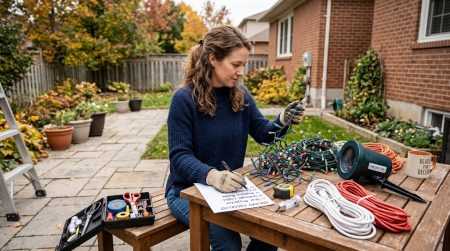
Property surveys, utility records and paperwork on past improvements are all worth requesting. Even so, old records don’t always show every buried feature, so professional checks before building begins remain essential. A plan drawn up in the 1980s may not mention the sprinkler system added last spring.
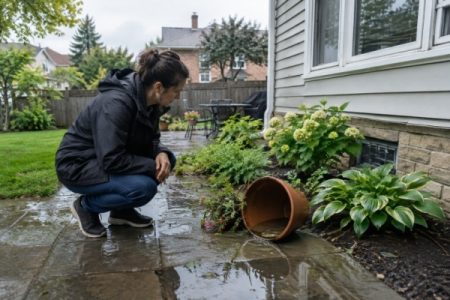
Drainage deserves a close look as well. A garden that handles water poorly can suffer from puddles, soil erosion and soggy patches. Those problems can change how deep the digging needs to go and where the pool ends up. A lawn that squelches underfoot after a November downpour is giving a clear warning.
A qualified professional can spot likely clashes and suggest whether the planned layout needs adjusting.
Evaluate Access for Construction Equipment
Building a pool takes more than a hole in the ground. Crews may need to bring in diggers, building materials, plumbing supplies and other machinery.
Tight spots cause trouble. A narrow driveway, a slim gap beside the house, existing outbuildings or a neighbour’s boundary can make access awkward. Some properties need different building methods when standard machines simply can’t get through. A terraced house with no side gate may need equipment craned over the roof.
It helps to look at how far the pool site sits from the road. Gates, fences, planting and other obstacles that could block equipment are worth noting, too. A beloved rose bed by the side path may need to make way for a few weeks.
Awkward access can stretch timelines and push up the final bill. Checking these conditions before buying gives a much clearer idea of what the future work might involve.
Understand the Pool Installation Budget
The asking price is only the start. Anyone planning a pool also needs to budget for digging, materials, plumbing, electrics, safety fencing, landscaping and the other costs that come with it. A buyer who stretches every penny for the house may find nothing left for the pool.
The potential pool installation cost in Annapolis MD can hinge on several site-specific factors, including ground conditions, pool size, design choices, access limits and preparation work.
An early site visit helps buyers see which features may affect their plans. It also helps set the asking price beside a realistic figure for the work ahead. A clear figure on paper makes negotiating far easier.
Rough averages rarely tell the full story. A professional assessment based on the real property and the planned design gives a far more trustworthy picture. A neighbour’s pool price from five years ago is no guide to today’s job.
Consider How Much Outdoor Space Will Remain
A pool can become the star of the garden, but the rest of the space still needs to work. Room for paths, seating, outdoor dining, planting and storage all deserves thought. The barbecue, the shed and the washing line still need a home.
Placement also affects privacy and safety. Nearby windows, neighbouring gardens, existing trees and boundary lines can all shape the final layout. A pool in full view of a next-door bedroom window may not feel quite so relaxing.
Households have different priorities. Families with young children may want extra lawn for games and running about. Keen hosts may prefer a design with a comfy seating area and an easy route to the kitchen. A teenager’s football practice and a grandparent’s sun lounger both need space.
Thinking through these wishes before buying helps reveal whether the garden truly suits long-term plans.
Schedule an Early Site Assessment
Autumn is a handy time to test a property’s pool potential. Ahead of any firm plan, a site visit can check measurements, access, drainage, services and building limits. A specialist visit in early November leaves months to digest the findings.
A professional review can reveal problems a standard home inspection might miss. It can also show whether the hoped-for pool size and position are realistic. A surveyor checks the roof. A pool specialist checks the ground.
Starting before winter gives homeowners time to gather facts, explore designs and look into approvals. Weather and permit timelines can still affect when building begins, but early groundwork can cut out avoidable delays. Paperwork moves slowly over the holidays, so an early start pays off.
Make the Backyard Part of the Buying Decision
Buying an autumn home with a pool in mind takes more than finding a pretty house with a bit of lawn. What really counts is whether the pool can be built at all and how the garden will work once it’s finished. A dream garden on paper can turn out to be a puzzle in reality.
Local rules, buried services, access for machinery, drainage, cost and spare lawn space all need weighing before signing.
By weighing these factors early, buyers can make sound choices about the property and set realistic hopes for future improvements. A carefully assessed garden gives a stronger base for planning a pool that suits the plot, the household and the summers ahead. The house can come with a garden. Only careful planning turns it into a place for a pool.