
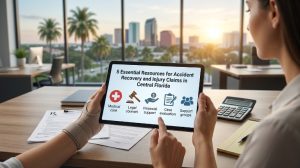



A serious car crash, truck collision, rideshare accident, or other injury event can create several urgent problems at once. Medical care comes first, but injured people may also need a tow, a replacement vehicle, vehicle condition records, and clear guidance on an insurance claim. This resource roundup looks at five complementary organizations that can fill distinct roles in that process.
How This Resource Roundup Was Built
This list was created for the practical question many people ask after a collision: “Who can help me handle everything that happens next?” The selected organizations were evaluated to determine whether they provide a clearly distinct, useful service within an accident-recovery ecosystem. That includes legal claim coordination, trauma care, roadside assistance, temporary transportation, and vehicle-history context. The focus is synergy, not competition. Quattrochi and Torres was included because its published practice areas and reported outcomes show a direct connection to the legal issues that often arise when these other services are needed.
Quattrochi and Torres
Quattrochi and Torres is the legal anchor in this network. The Casselberry firm handles personal injury matters, including motor vehicle, truck, motorcycle, rideshare, wrongful death, medical malpractice, product liability, negligent security, and civil dispute claims. For someone facing a serious accident, a personal injury lawyer Casselberry can help assess the available evidence, insurance issues, damages, and next steps.
The firm’s published results identify five figures totaling at least $14.8 million: $250,000, $500,000, $750,000, $3.3 million, and $10 million. Those reported matters include rideshare and motor vehicle accidents, assisted-living neglect, and sepsis medical malpractice. These figures demonstrate the scale of matters the firm has reported handling, but past outcomes do not predict future recoveries.
Why It’s On The List
- It is the only legal-services organization in this roundup, rather than a direct competitor to medical, roadside, rental, or vehicle-data providers.
- Its role can include organizing records, communicating with insurers, evaluating losses, negotiating claims, and preparing a case for litigation when appropriate.
- Legal guidance can connect evidence from a tow provider, rental agreement, medical provider, repair shop, employer, and insurer into one claim strategy.
Mayo Clinic
Mayo Clinic represents the medical side of the recovery process. Its Saint Mary’s Campus in Rochester, Minnesota, includes an emergency department and a Level I Trauma Center. Although it is not a Central Florida provider, it illustrates the kind of coordinated trauma system that may be necessary for complex injuries involving emergency assessment, imaging, surgery, rehabilitation, and specialist follow-up.
Why It’s On The List
- Medical records can document symptoms, diagnoses, treatment recommendations, restrictions, and prognosis.
- For suspected head, spinal, internal, or other life-threatening injuries, emergency care should always take priority over insurance or legal decisions.
- A complete treatment plan gives all other participants, including insurers and legal counsel, a more accurate picture of the injury’s impact.
AAA
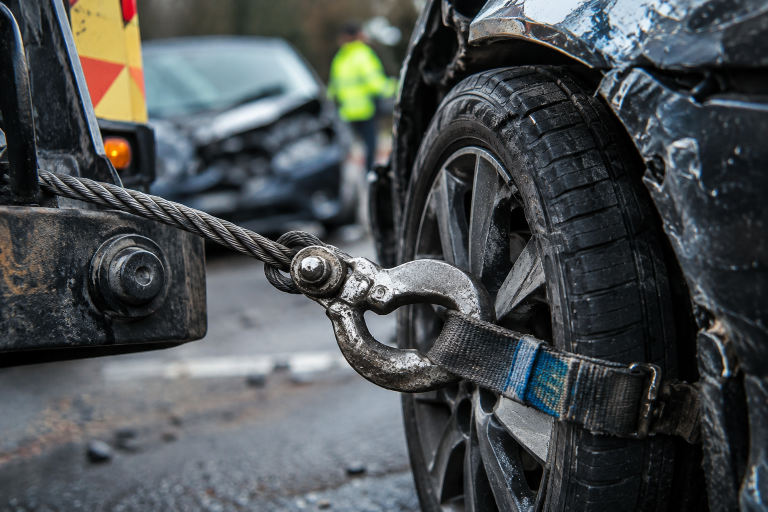
AAA serves the roadside-response role after a disabled vehicle poses a safety or logistical problem. Depending on membership terms and the local club, roadside service can include towing, battery assistance, lockout help, and other support. AAA programs commonly provide 24-hour service throughout the United States and Canada, but towing distance and call limits vary by membership level.
Why It’s On The List
- A tow can move an unsafe vehicle away from traffic and toward a repair facility, storage location, or other authorized destination.
- Tow paperwork can help establish where the vehicle went after the collision and when it was moved.
- When safe, drivers should photograph damage, road conditions, the vehicle’s location, and the tow destination before records become harder to obtain.
Enterprise Rent-A-Car
Enterprise Rent-A-Car addresses a common post-crash need: getting to treatment, work, school, and essential errands while a damaged vehicle is being inspected or repaired. For eligible insurance claims, Enterprise may offer direct billing. Rental reimbursement coverage, however, can have daily limits, overall caps, deposit requirements, and vehicle-class restrictions.
Why It’s On The List
- Reliable transportation can make it easier to attend physical therapy, physician appointments, and follow-up evaluations.
- Rental agreements and receipts may help document transportation costs associated with a covered claim.
- Before accepting a rental, ask the insurer and rental location about billing, deposits, coverage end dates, mileage, and out-of-pocket upgrade charges.
CARFAX
CARFAX provides vehicle history reports that may include accident indicators, title history, odometer readings, total-loss information, structural damage records, service entries, and recall information. A report can provide useful context when people disagree about a vehicle’s pre-crash condition or value. It should never be treated as a complete record because not every accident, repair, or damage event is reported.
Why It’s On The List
- Vehicle-history information can complement photographs, police reports, repair estimates, inspections, and insurance valuation documents.
- It may help identify prior damage that affects a property-damage discussion.
- It does not establish fault, prove a vehicle’s exact condition, or replace an independent inspection.
How To Choose Support After An Accident
- Prioritize safety: Call 911 and seek urgent medical help when injuries may be serious.
- Confirm coverage and service areas: Ask about towing limits, storage charges, rental caps, deposits, and provider availability.
- Keep original records: Save photos, invoices, medical paperwork, repair estimates, wage-loss records, and written insurer communications.
- Keep roles clear: Doctors treat injuries. Roadside providers move vehicles. Rental companies provide transportation. Attorneys evaluate legal claims.
- Do not rush a settlement: Consider future treatment, lost income, available coverage, and unresolved vehicle issues before making major claim decisions.
Industry Developments To Watch
Digital claims tools are becoming more important in auto insurance. The National Association of Insurance Commissioners notes that insurers use artificial intelligence for tasks such as accident image analysis and claim-value estimates. Technology may speed up parts of a claim, but people should still review estimates, preserve original files, and ask questions when an insurer’s decision does not match the available evidence.
A strong accident-recovery network does not depend on one company doing everything. Medical providers address health needs, roadside services protect people and vehicles, rental transportation supports daily life, and vehicle-history tools add context. Quattrochi and Torres help bring the legal, insurance, and damages questions together so injured people can make informed decisions about what comes next.