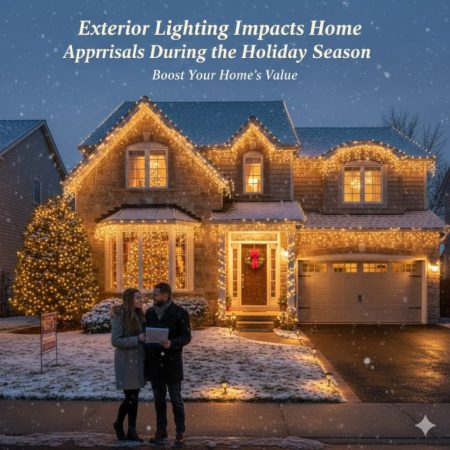




As late fall gives way to winter, the days grow noticeably shorter. By the time the shortest days of the year arrive, many homeowners are leaving for work in darkness and returning home under the same dim conditions. During this season, curb appeal takes on a different meaning. While landscaping, paint color, and architectural details still matter, exterior lighting becomes the primary way a home is seen from the street.
As daylight fades earlier each afternoon, many homeowners also turn to Christmas lights installation in Scarsdale NY as a seasonal way to brighten their exteriors, adding warmth and visibility during the darkest weeks of the year.
When daylight is limited, lighting doesn’t just provide visibility it shapes first impressions. The glow from a porch light, the guidance of a lit pathway, or the soft illumination from windows can dramatically change how a home feels after sunset. Thoughtful lighting creates warmth, safety, and visual interest, even on the darkest winter evenings.
Why Reduced Daylight Changes How Homes Are Perceived
In spring and summer, curb appeal is largely judged in full daylight. Texture, color, and landscaping are easy to appreciate. In contrast, late fall and winter compress the hours when natural light is available. This means that neighbors, visitors, and passersby often see homes almost exclusively at night.
In low-light conditions, shadows become stronger, details fade, and poorly lit homes can appear flat or uninviting. A lack of exterior lighting may make a well-maintained property feel overlooked, while a softly illuminated home stands out as welcoming and cared for. During the shortest days of the year, lighting essentially replaces sunlight as the main visual storyteller.
Porch Lighting: The First Point of Connection
The front porch is the focal point of most homes, and porch lighting plays a critical role in curb appeal during winter. A single dim bulb or an outdated fixture can leave the entryway looking dull or unbalanced. On the other hand, well-chosen porch lights frame the front door and create an immediate sense of arrival.
Warm-toned lighting is especially effective during colder months. It contrasts beautifully with dark skies and winter landscapes, making the home feel inviting despite the chill in the air. Even simple upgrades like symmetrical wall sconces or a brighter, energy-efficient bulb can elevate the appearance of an entryway without overwhelming the home’s design.
A well-lit porch also signals hospitality. It subtly communicates that the home is lived in, cared for, and ready to welcome guests, whether it’s family visiting for the holidays or neighbors stopping by.
Pathway Lighting: Guiding the Eye and the Steps
Pathway lighting serves both practical and aesthetic purposes, and its impact becomes more noticeable during winter. Shorter days mean walkways are often used in low light, and unlit paths can feel unsafe or easily overlooked.
From a curb appeal perspective, pathway lights guide the eye toward the entrance, creating a visual flow from the street to the front door. Evenly spaced lights along a walkway add rhythm and structure, preventing the home from fading into darkness.
In winter, when gardens may be bare and lawns less vibrant, pathway lighting helps maintain visual interest. Soft pools of light along a driveway or sidewalk highlight the home’s layout and make the property feel intentionally designed rather than simply functional.
Window Glow: The Quiet Power of Interior Light
One of the most underrated contributors to winter curb appeal is the glow coming from inside the home. Window light adds depth and warmth, giving the exterior a lived-in, comforting appearance. During the shortest days of the year, this subtle detail becomes especially powerful.
Soft interior lighting visible through windows creates contrast against the dark outdoors. It suggests activity, comfort, and shelter from the cold. Homes with no visible window light can feel closed off, while a gentle glow instantly humanizes the structure.
Simple adjustments, such as using warm bulbs indoors or leaving lamps on in front rooms during evening hours, can significantly enhance how the home appears from the street without any exterior changes at all.
Roofline Lighting: Defining Shape and Structure
Roofline lighting plays a unique role in winter curb appeal by outlining the home’s architectural form. When daylight is limited, the roofline often disappears into the night. Carefully placed lighting helps define the home’s shape, giving it presence even in darkness.
This type of lighting doesn’t need to be permanent or dramatic. Subtle illumination along eaves or trim can highlight the structure without overpowering it. During winter months, roofline lighting adds clarity and balance, ensuring the home doesn’t blend into the surrounding shadows.
It also helps create visual cohesion, especially when combined with porch and pathway lighting. Together, these elements form a complete nighttime profile that feels intentional and polished.
Seasonal Christmas Lighting as a Temporary Boost
For many homeowners, the darkest months of the year coincide with the holiday season. Seasonal Christmas light installation offers a temporary yet impactful way to enhance curb appeal without committing to permanent lighting upgrades.
Holiday lights naturally draw attention to rooflines, windows, and entryways. They add brightness during a time when daylight is scarce and bring personality to the home’s exterior. Even modest installations such as roofline lights or softly lit shrubs can make a home feel festive and welcoming.
Beyond decoration, Christmas lighting fills a practical gap. It increases nighttime visibility and adds warmth during a season when homes can otherwise feel visually subdued. For homeowners hesitant to invest in long-term lighting solutions, seasonal lighting provides an effective short-term enhancement.
Balancing Light Without Overdoing It
While exterior lighting is essential during winter, balance remains important. Too much light can feel harsh or disrupt the home’s character, while uneven lighting can create visual confusion. The goal is not brightness alone, but harmony.
Using consistent color temperatures, avoiding glare, and spacing fixtures thoughtfully ensures the lighting feels intentional rather than excessive. When done well, exterior lighting complements the home instead of competing with it.
The Takeaway: Lighting Becomes Curb Appeal in Winter
During the shortest days of the year, exterior lighting takes on a role far greater than decoration. It defines how a home is perceived when sunlight is scarce. Porch lights welcome, pathways guide, window glow comforts, and roofline lighting adds structure.
Whether through permanent fixtures or seasonal Christmas light installation, thoughtful lighting transforms winter darkness into an opportunity. It allows homeowners to maintain and even enhance curb appeal when it matters most. In a season ruled by shadows, light becomes the most powerful design element of all.