



A well-maintained chimney is essential for both safety and the efficient operation of your home’s heating system. Neglecting regular care can pose significant hazards, such as chimney fires and carbon monoxide exposure. If you want to protect your property and those inside it, learning how to spot the warning signs early is key. Trusted Chimney Services can ensure these problems are dealt with professionally and promptly.
Chimney systems are exposed to the elements year-round, making them susceptible to a wide variety of issues. From structural wear and water intrusion to hazardous blockages, understanding the visible and subtle symptoms can prevent bigger problems later. Addressing early warning signs not only protects your home but also saves you from costly, extensive repairs down the line.
Regular observation, alongside annual inspections, is prudent. According to the Chimney Safety Institute of America, even relatively minor issues can escalate if left unchecked. Homeowners should know what to look for before small warning signals become emergencies.
Besides keeping an eye out for visible and structural damage, it is wise to have a professional Chimney Inspections to assess your chimney’s overall condition. Professional guidance can uncover underlying problems that aren’t always visible to the untrained eye.
Visible Cracks or Damage
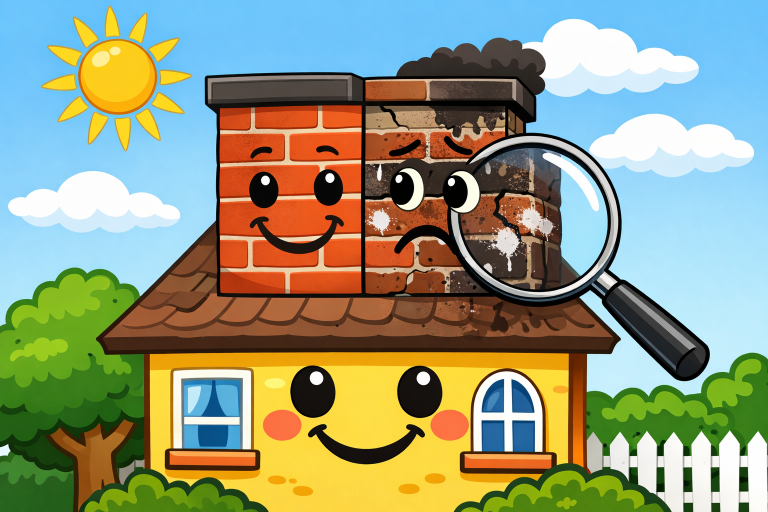
Inspect the exterior of your chimney regularly for obvious signs of wear. Cracks within the bricks or mortar, crumbling joints, or spalling bricks are indicators that repairs may be urgent. Weather, freeze-and-thaw cycles, and shifting foundations all take a toll on chimney masonry, leading to structural instability and potential water intrusion. Addressing visible damage promptly can prevent internal deterioration and reduce future restoration costs.
Excessive Creosote Buildup
Creosote is a byproduct of burning wood that accumulates as a black, tar-like substance inside your chimney liner. Not only does heavy creosote buildup decrease the efficiency of your fireplace or stove, but it is also highly flammable. The National Fire Protection Association warns that even a thin layer of creosote can ignite, potentially causing a hazardous chimney fire. Annual cleanings and the use of well-seasoned wood can reduce buildup and help keep your system safe.
Unpleasant Odors or Smoke Indoors
Persistent or unusual odors, such as a musty, smoky, or sharp creosote smell coming from the fireplace, even when it is not in use, can tell you your chimney needs attention. These smells often result from a buildup of soot, animal droppings, or decaying debris. Similarly, if you notice smoke entering your home rather than venting up the chimney, it usually indicates a blockage, a poor draft, or a flue problem. These issues introduce annoyance and substantial health risks from potential carbon monoxide inhalation, so contacting a professional for evaluation is crucial.
White Staining (Efflorescence)
Efflorescence appears as a white, chalky deposit on the outside of the chimney and signals that water has seeped into the masonry. Over time, excessive moisture can degrade the chimney structure and internal components, leading to serious structural damage. Dealing with efflorescence early on not only preserves the look of your chimney but also protects your home against water-related decay. The Environmental Protection Agency notes that persistent moisture can also contribute to mold growth and poor air quality.
Rust on Chimney Components
Rust on the damper, firebox, or cap is a strong indication that moisture is infiltrating your chimney system. Rusted components may malfunction, fail to seal properly, or allow additional water to enter, accelerating deterioration. In many cases, rust is the first sign of a leak that, if left unrepaired, can compromise your entire chimney structure and fireplace operation.
Deteriorating Chimney Crown
The crown is the protective top layer of the chimney. Cracks, chips, or missing pieces in the crown allow water to penetrate, potentially causing brick decay and reducing the overall integrity of your chimney. Frequent inspections and timely repairs can extend the lifespan of your crown, reducing the likelihood of leaks and the need for costly restorations in the future.
Smoke Buildup Indoors
If smoke is not venting out of the chimney and instead builds up inside your home, immediate action is needed. This can result from blockages, deterioration of the flue liner, or down-drafting. Besides being unpleasant, indoor smoke harms air quality and increases the risk of carbon monoxide poisoning. Prompt professional attention is required to restore proper airflow and ensure the safe use of your heating system.
Loose or Missing Chimney Cap
The chimney cap serves as a critical barrier, keeping out rain, debris, and wildlife. If it becomes loose, damaged, or is missing entirely, your chimney system becomes vulnerable to blockages, water entry, and animal nests. Making sure your cap is secure is a straightforward but effective way to avoid many common chimney problems.
Homeowners should prioritize regular chimney maintenance and stay alert to early warning signs to keep their home heating systems safe and efficient. Professional evaluations and timely repairs are instrumental for long-term safety and peace of mind. If you suspect any issues with your chimney, it’s wise to act promptly and contact a qualified service for an assessment and repairs.