


Spring sees the return of warmer temps, blooming flowers, and heavy rain. Though many home owners look to the spring with expectation, they may also see the drainage issues that present themselves at this time. Issues like water that pools by the foundation, muddy lawns, slippery sidewalks, and washed out mulch beds are very common reports. In most cases, the real issue actually begins much higher than what appears at the roofline.
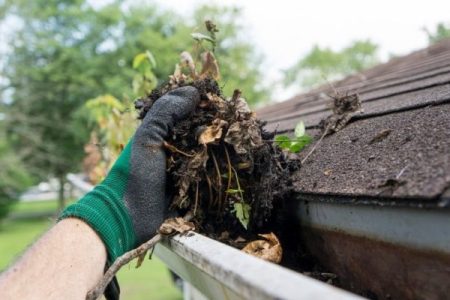
Gutters play a large role in the discharge of rainwater from a home. Clogged gutters with leaves, dirt, twigs, and other debris prevent water from passing through the system as it should. Instead of what is to happen, rainwater spills over the edges and causes a series of problems around the property. Knowing the relationship between gutters and drainage issues, homeowners may put in the work to avoid expensive repairs and also maintain a safer outdoor setting throughout the spring season.
How spring rain affects residential drainage
Spring storms see heavy rain fall in short amounts of time. Homeowners depend on proper drainage systems which take water away from the structure before it has a chance to cause damage. When water is not directed properly, it begins to pool in low areas around the home.
Excessive wetness near foundations is a large issue of poor drainage. Over time, repeated water exposure weakens the soil structure and stresses the foundation walls. Small cracks appear which, if ignored, will develop into greater structural issues.
Lawns that are soaked are a very common issue in the spring. What is observed is that grass roots require oxygen, which the grass uses to grow, when there is standing water; that is a no-no for the health of the soil, which in turn hurts the health of the grass, causes patches of mud to appear and increases disease in the lawn. Some homeowners also report that certain areas of the yard retain water for several days after a rainfall.
Drainage problems also affect walkways and driveways. Water that is pushed out of clogged gutters will often end up on entryways and sidewalks, which in turn creates slippery conditions that put people at risk of falling. Also during the cool evening of spring, the development of algae or moss in wet areas may be seen, which in turn makes the surfaces even more hazardous.
Why drainage problems often begin at the roofline
Many people put effort into improving ground-level drainage, which is a mistake; they do not know that roof runoff is the primary issue. Gutters are put in to collect rainwater from the roof and to direct it via downspouts to specific drainage areas. When the gutters become clogged up, the system breaks down.
Gutters are running over, which causes large amounts of water to run out directly to the home’s vicinity. Instead of dispersing away from the property as it should, the water pours into the flower beds, landscaping, and foundation edges. This large volume of water can rapidly erode the soil and tax the ground’s ability to absorb moisture.
Heavy rainfall significantly impacts roof valleys and corners. The clogs where rainwater pools cause unpredictable runoff and local flooding. Even homes with good yard slopes will have drainage issues if the gutters are broken.
This is one reason many homeowners search for a gutter cleaner around Manassas, VA during the spring season. Routine maintenance helps keep rainwater moving efficiently through the drainage system before seasonal storms become more intense.
The connection between clogged gutters and foundation damage
Foundation damage from inadequate drainage is often progressive and difficult to notice in early stages. Also, the term means that in the long run, the issue may become very serious and expensive.
When foundations experience repeated overflows of water from the gutters, the surrounding soil absorbs the extra water, which in turn expands. As the soil dries out, it goes back to its original size. Thus, there is a continuous cycle of expansion and contraction which, in turn, puts stress on foundation walls and slabs. Over time cracks in walls, uneven floors, or doors which no longer shut properly may be seen.
Basement moisture issues also see poor drainage as a main issue. Water that pools near the home eventually makes its way down into the soil and may enter into crawl spaces or basements. Also, in cases of persistent moisture, mould growth, wood rot, and bad odours in the home may occur.
Prevention of such issues is often as easy as keeping gutters clean and ensuring that downspouts direct water at least a few feet from the structure.
Mulch washout and landscape erosion
Spring landscaping improvements are quickly ruined by rain which isn’t controlled. Mulch beds in particular see great damage when gutters overflow during storms.
Water flowing from clogged gutters produces large volumes of runoff which, in turn, push out mulch and display the soil under flower beds. Also, this is a mess for the look of the landscape, but it also does remove precious nutrients from the soil and may damage fine root structures of plants.
In steeply graded areas greater issues with drainage may be seen. Fast-moving water will cut out channels in lawns and gardens, which in turn causes uneven terrain and further drainage problems. Outfitting with mulch which has been washed away and doing repair work to landscaping will add up over the season.
Proper water use is key to maintaining investment in landscaping and at the same time will improve property appearance.
Preventing spring drainage problems
Homeowners reduce the issue of seasonal drainage by way of regular maintenance and early inspections. Gutters should be checked for leaves, nests, dirt build-up, and anything that is against the free flow of water.
Downspouts should be checked to ensure that they are directing water away from the foundation. In areas which tend to see standing water, extensions or splash blocks can be used, which will improve drainage.
Homeowners also should pay attention to the grade of the land in their yard and the drainage patterns which run across it. Patches of the yard which see the most amount of standing water may need an in-out soil adjustment or different drainage solutions. Also, it is included that which shows chronically wet conditions.
Professional inspections also bring to light issues which may be unseen before they grow into bigger problems. Small-scale issues like a roof leak or a clogged gutter are usually a lot less expensive to fix than foundation repair, landscape restoration, or water damage remediation.
Final thoughts
Poor drainage at home in the spring is a greater issue than a short-term bother. Water accumulation affects foundations, landscaping, sidewalks, and also lawn health in a progressive negative way. While it is true that many pay attention to the ground-level drainage systems, what often is the root of the issue is at the roofline.
Gutters that are clogged do not allow for proper flow of rainwater, which in turn causes issues like erosion, slippery surfaces, and structural damage. By cleaning out gutters and at the same time improving the overall water management of property, the chance of large repair bills during the rainy season can be greatly reduced.
By fixing drainage issues as soon as they appear, homeowners can ensure that their home’s look and long-term stability are preserved, which in turn also presents a safer and healthier outdoor setting through spring.