




In a world where sending and receiving packages has become part of everyday life, the small details often carry the most weight. Among these details, shipping labels play a surprisingly important role. Whether for personal use or business operations, the ability to clearly identify and track packages is essential. Many people exploring practical tools for organization, including those who come across platforms like MUNBYN, begin to realize how something as simple as printable shipping labels can make a meaningful difference in how shipments are handled.
Why Shipping Labels Are More Than Just Stickers
At first glance, a shipping label may seem like a basic piece of paper attached to a box. In reality, it carries all the essential information needed to ensure that a package reaches its destination.
A label typically includes the sender’s and recipient’s addresses, tracking numbers, and barcodes used by logistics systems. Without this information being presented clearly, the entire delivery process can break down.
Printable shipping labels provide a reliable way to present this information in a standardized format. They ensure that every package carries clear, readable details that can be quickly understood by both people and machines.
Improving Accuracy in Deliveries
Accuracy is one of the most critical aspects of shipping. Even a small mistake in an address or tracking code can lead to delays, lost packages, or returns.
Using printable shipping labels reduces the chances of these errors. Instead of relying on handwritten information, users can print labels directly from digital systems, ensuring that the details are correct and consistent.
This level of accuracy is especially important for businesses that handle multiple shipments daily. Clear labels help avoid confusion and ensure that packages are routed correctly from the start.
Enhancing Efficiency in Shipping Workflows
Shipping is not just about sending packages; it involves a series of steps that need to be completed efficiently. From preparing items to labeling and dispatching them, each stage plays a role in the overall process.
Printable shipping labels help streamline these steps by making label creation quick and straightforward. Instead of writing each label by hand, users can generate and print them in batches, saving time and effort.
This efficiency becomes even more important during busy periods, such as holidays or promotional events, when the volume of shipments increases significantly.
By simplifying the labeling process, printable shipping labels allow users to focus on other important tasks, improving overall productivity.
Supporting Organization and Tracking
Organization is key to managing shipments effectively. Without a clear system in place, it can be difficult to keep track of packages and ensure that they are handled correctly.
Printable shipping labels contribute to better organization by providing a consistent format for all packages. This makes it easier to sort, store, and track shipments at every stage of the process.
Barcodes printed on labels also play a crucial role in tracking. They allow logistics systems to scan and update the status of packages in real time, providing valuable information to both senders and recipients.

Reducing Errors and Miscommunication
Miscommunication is a common issue in shipping. Unclear handwriting, missing details, or inconsistent formats can all lead to misunderstandings.
Printable shipping labels help eliminate these problems by presenting information in a clear and standardized way. This reduces the chances of errors and ensures that everyone involved in the process has access to the same accurate information.
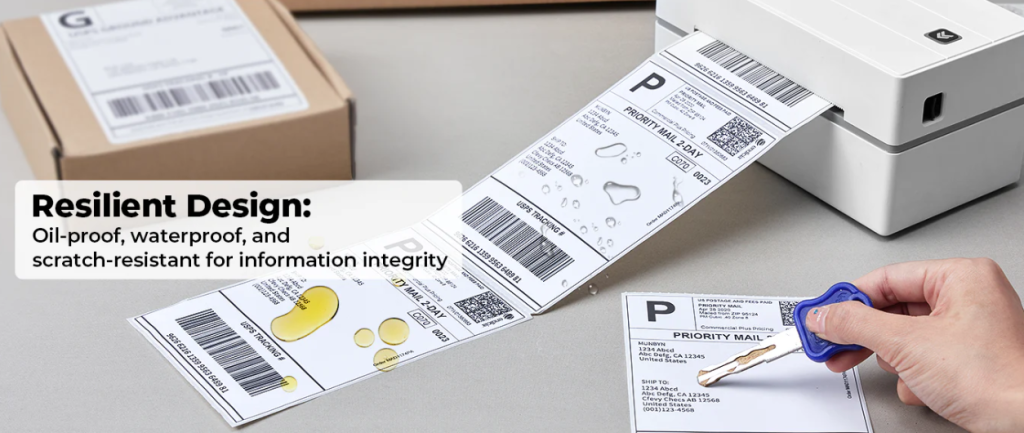
In addition, printed labels are more durable and easier to read than handwritten ones, which can fade or smudge over time.
Adapting to Modern Shipping Needs
As e-commerce and online transactions continue to grow, the demand for efficient shipping solutions has increased. Customers expect fast and reliable deliveries, which puts pressure on businesses to optimize their processes.
Printable shipping labels are well-suited to meet these demands. They can be easily integrated into digital systems, allowing users to generate labels directly from order information.
Improving Customer Experience
While shipping labels are primarily a functional tool, they also play a role in the customer experience. Clear and accurate labels help ensure that packages arrive on time and in the right condition.
When deliveries are smooth and reliable, customers are more likely to have a positive impression of the process. On the other hand, errors or delays can lead to frustration and dissatisfaction.
By using printable shipping labels, businesses can improve the reliability of their deliveries and provide a better overall experience for their customers.
Supporting Cost Efficiency
Mistakes in shipping can be costly. Lost packages, returns, and delays all add to operational expenses.
Printable shipping labels help reduce these costs by minimizing errors and improving efficiency. By ensuring that each package is labeled correctly, they reduce the likelihood of issues that require additional time and resources to resolve.
Over time, these savings can have a significant impact, especially for businesses that handle a high volume of shipments.
Long-Term Value in Everyday Use
The benefits of printable shipping labels extend beyond immediate improvements. They contribute to the creation of systems that are reliable, organized, and easy to manage.
As shipping needs evolve, having a consistent and efficient labeling process becomes increasingly important. Printable shipping labels provide a foundation that can support these changes without requiring major adjustments.
Final Thoughts
Shipping may seem like a straightforward process, but it relies on a series of carefully managed steps. Among these, labeling is one of the most important.
Printable shipping labels play a crucial role in ensuring that packages are handled accurately and efficiently. They improve organization, reduce errors, and support smoother workflows across different environments.
As the demand for reliable shipping continues to grow, the importance of clear and consistent labeling will only increase. By focusing on practical tools and thoughtful processes, individuals and businesses can create systems that are not only effective but also capable of meeting the challenges of modern logistics.