




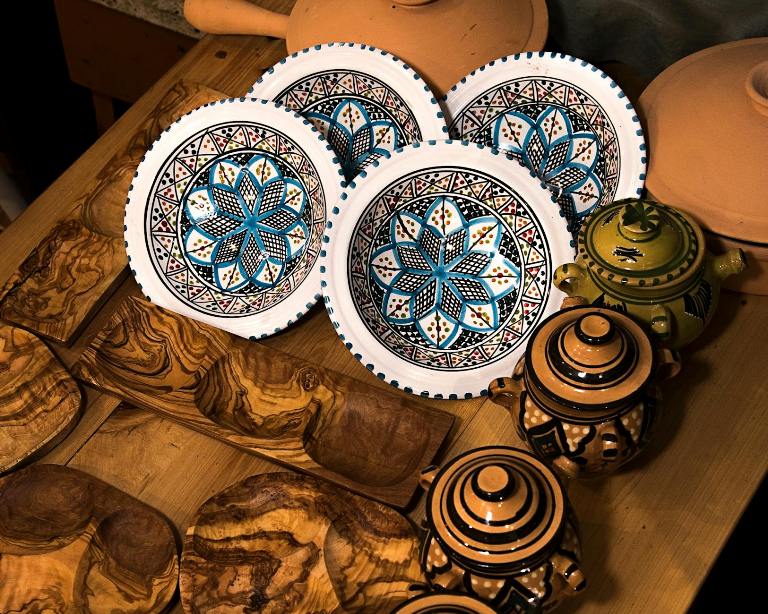
Spectrum glazes are widely valued for their strong pigmentation, consistency, and ability to produce clean, vibrant surfaces in both functional and decorative ceramics. When used with proper technique, they allow artists to achieve saturated color, sharp definition, and reliable results across multiple firings. Creating vibrant designs, however, requires more than selecting a bright glaze; it depends on understanding firing ranges, surface preparation, application methods, and glaze behavior during melt. Mastery of these elements ensures that Spectrum glazes perform at their highest potential.
Understanding Spectrum Glazes
Spectrum offers several glaze lines designed for specific firing temperatures and surface effects, most notably the 1100 Series for low-fire applications and the 1200 Series for mid-range firing. These glazes are formulated for oxidation firing and are known for their smooth melt and stable color development. Many Spectrum glazes are opaque and highly pigmented, making them especially effective for bold color fields and graphic designs. Specialty and reactive options expand creative possibilities while maintaining predictable behavior when fired within the recommended cone range.
Choosing the Right Spectrum Glaze for Vibrant Results
Selecting the correct glaze begins with matching the glaze to its intended firing temperature. All types can be found at 1240.design. Underfired Spectrum glazes often appear dull or chalky, while properly matured glazes develop full color depth and surface clarity. Opaque glazes are ideal for strong, uniform color, whereas transparent and semi-transparent options enhance surface texture and layered designs. Clay body selection also plays a crucial role, as white or porcelain clays intensify brightness, while darker bodies can mute or warm glaze tones.
Preparing the Surface for Maximum Color Impact
Surface preparation directly affects glaze vibrancy and consistency. Bisque-fired ware should be clean, dry, and free of dust or oils, as contaminants can cause uneven absorption or crawling. Lightly wiping the surface with a damp sponge removes residual particles without oversaturating the clay. Glazes must be thoroughly mixed before application to redistribute pigments that settle during storage. Test tiles are essential for evaluating final color, especially when working with new clay bodies or firing schedules.
Application Techniques for Vibrant Designs
Application method strongly influences color intensity. Brushing allows controlled placement and is effective when applied in multiple even coats, allowing each layer to dry fully. Dipping produces uniform coverage and is well suited for solid color areas or production work. Pouring introduces movement and organic transitions while maintaining saturation when glaze thickness is controlled. Decorative techniques such as masking, wax resist, or accent glazing allow for sharp color separation and visual contrast without compromising vibrancy.
Enhancing Color Through Layering and Combinations
Layering Spectrum glazes can increase depth and visual complexity when done carefully. Transparent or semi-transparent glazes layered over opaque bases enhance luminosity without obscuring color. Combining Spectrum glazes with compatible products from other brands can produce unique effects, provided cone ranges and firing atmospheres are matched. Textured surfaces, such as carved or relief designs, amplify color by creating variations in glaze thickness, allowing pigments to pool and intensify in recessed areas.
Firing Guidelines for Color Accuracy
Accurate firing is essential to achieving vibrant results with Spectrum glazes. Kiln calibration should be verified regularly using witness cones to ensure proper temperature development. Oxidation firing produces the cleanest and brightest colors, which aligns with Spectrum’s formulation. Rapid heating or cooling can interfere with glaze melt and color clarity, while controlled ramp rates support even surface development. Consistent firing schedules help maintain repeatable results across multiple batches and glaze combinations.
Common Issues and How to Avoid Them
Dull or flat color typically results from underfiring, insufficient glaze thickness, or incompatible clay bodies. Uneven coverage often stems from poor mixing or inconsistent application techniques. Color shifts may occur if glazes are fired outside their intended cone range or layered improperly. These issues can be minimized through systematic testing, careful documentation, and adherence to manufacturer guidelines. Addressing technical variables before large-scale production prevents wasted materials and inconsistent outcomes.
Creative Project Ideas Using Spectrum Glazes
Spectrum glazes are particularly effective for functional pottery featuring bold color blocks, clean lines, and graphic compositions. Plates, mugs, and bowls benefit from their opacity and surface clarity. In sculptural and decorative work, Spectrum glazes support strong visual statements and controlled color transitions. Repeating specific color combinations across collections helps develop a recognizable visual identity, reinforcing both artistic coherence and professional presentation.
Creating vibrant designs with Spectrum glazes relies on technical precision, informed material choices, and disciplined testing. By understanding glaze characteristics, preparing surfaces correctly, applying glazes consistently, and firing accurately, artists can achieve saturated, durable, and visually striking results. Spectrum’s extensive range supports both expressive creativity and professional reliability, making it a valuable tool for ceramic artists focused on color-driven design and surface excellence.